
Understanding Dietary Fibre

Educational insights into the role of fibre in daily nutrition

Introduction to dietary fibre

Introduction to Dietary Fibre

Dietary fibre refers to plant-based carbohydrates that are not digested in the small intestine. These substances are found naturally in vegetables, fruits, whole grains, and legumes.

Fibre plays various roles in the digestive process and is considered an important component of balanced nutrition. Different types of fibre interact with the body in distinct ways, contributing to overall dietary patterns.

This resource provides educational information about fibre and its presence in everyday foods, helping you understand its role without prescribing specific dietary changes.
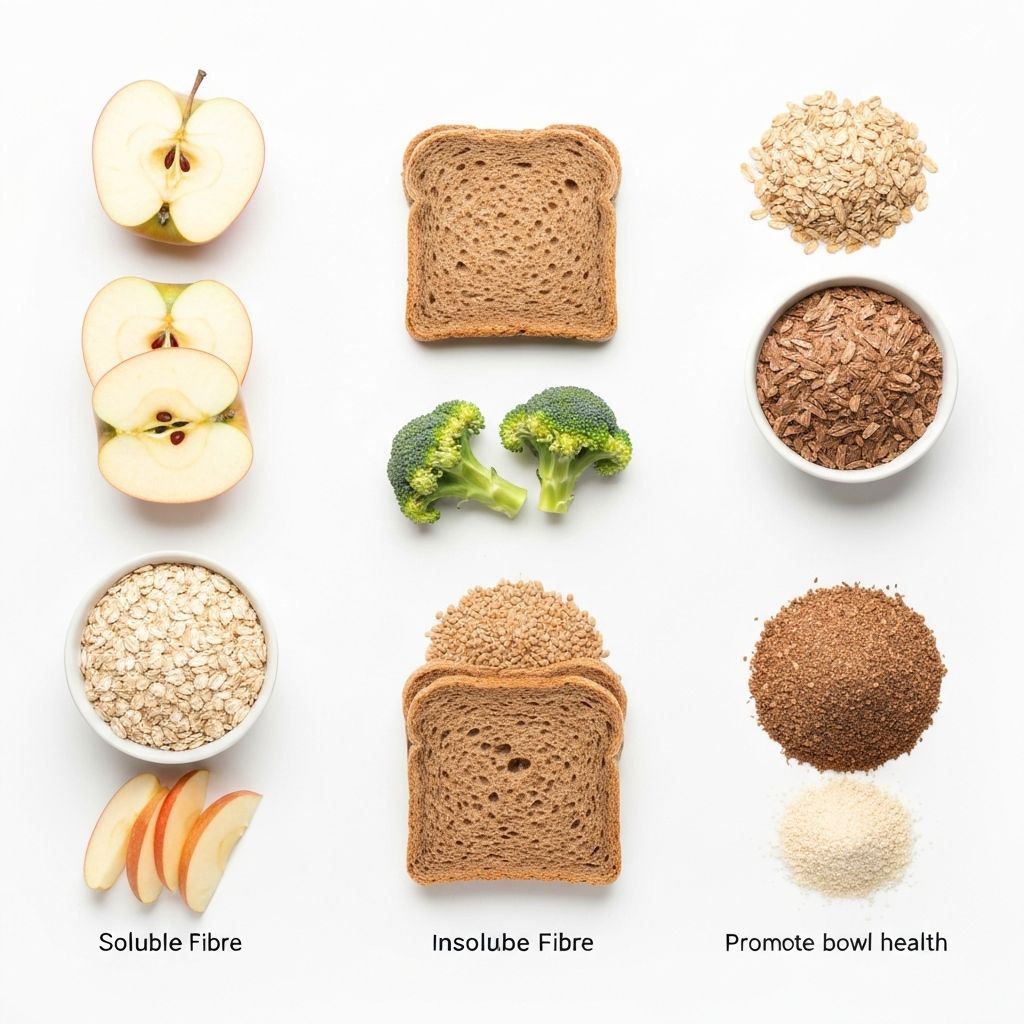

Types of dietary fibre

Types of Fibre and Their Roles

Soluble Fibre

Soluble fibre dissolves in water and forms a gel-like substance in the digestive tract. It is commonly found in oats, apples, citrus fruits, carrots, and beans. This type of fibre is known for its ability to interact with water and other digestive components.

Insoluble Fibre

Insoluble fibre does not dissolve in water. It is present in whole wheat products, brown rice, nuts, and many vegetables. This type of fibre adds bulk and passes through the digestive system largely intact.

Both types of fibre are naturally present in many plant-based foods and contribute to the overall nutritional profile of meals.

Effects of Fibre on Digestion and General Nutrition

Fibre influences various digestive processes. It affects the rate at which food moves through the digestive tract and can influence how nutrients are absorbed. The presence of fibre in meals can also affect satiety and eating patterns.

Research indicates that dietary patterns rich in fibre-containing foods are associated with various aspects of general nutrition and metabolic processes. However, individual responses to fibre intake can vary significantly based on numerous factors including overall diet composition, lifestyle, and personal physiology.

It is important to note that while fibre is a component of nutrition, its effects are part of a complex interplay of dietary factors. This information is educational and does not constitute personal nutrition advice.

Educational Context and Limitations

The information provided on this website is for educational purposes only. It explains concepts related to dietary fibre but does not offer individual nutrition recommendations or medical advice. Nutritional needs and responses to dietary components vary widely among individuals. This content does not replace consultation with qualified professionals for personal dietary decisions.

Incorporating fibre in everyday meals

Incorporating Fibre in Everyday Meals

Many everyday foods naturally contain dietary fibre. Understanding which foods are fibre-rich can help you recognise them in your regular meal patterns.

Examples of fibre-containing foods include whole grain bread, oatmeal, brown rice, vegetables such as broccoli and carrots, fruits like apples and berries, legumes including lentils and chickpeas, and nuts and seeds.

These foods can be part of various meal types throughout the day, from breakfast cereals to salads, soups, and side dishes. The presence of fibre in meals is simply one aspect of their nutritional composition.

Explore Further

Soluble Fibre

Learn more about the characteristics and sources of soluble fibre in common foods.

Read in detail

Insoluble Fibre

Explore the properties and dietary sources of insoluble fibre and its role in nutrition.

Read in detail

Daily Integration

Discover how fibre-rich foods fit into daily meal patterns and food choices.

Read in detail

Frequently Asked Questions

What is dietary fibre?

Dietary fibre refers to plant-based carbohydrates that are not broken down by digestive enzymes in the small intestine. It includes various types of substances found in vegetables, fruits, whole grains, and legumes.

What are the main types of fibre?

The two main categories are soluble fibre, which dissolves in water, and insoluble fibre, which does not. Each type has different physical properties and is found in different food sources.

Which foods contain fibre?

Fibre is present in plant-based foods including whole grains, vegetables, fruits, legumes, nuts, and seeds. Different foods contain varying amounts and types of fibre.

Is this website providing dietary advice?

No. This website provides educational information about dietary fibre for learning purposes only. It does not offer personal nutrition recommendations or medical advice. Individual dietary decisions should be made in consultation with qualified professionals.

Continue Learning

Explore our blog for more detailed articles about dietary fibre and nutrition education.

Explore further

Educational content only. No medical services. No promises of outcomes.